With Cerego, you can create courses in seconds, boost skills in any area, track knowledge in real-time, and help realize potential.



Cerego's Smart Create tools for Courses feature allows you to build whole courses in seconds. Cerego will automatically scan available open content on the web, and construct a course template for you, including separate assignments for each series of related concepts.
Once the Cerego Smart Create algorithm completes the draft course, you can edit any aspect of it (from the content of each assignment, to the learning level, etc.), assign it to learners, or get started learning yourself.

Cerego's AI not only transcribes videos, but also leverages our Smart Create technology to highlight key concepts within the transcription and suggest quiz questions.
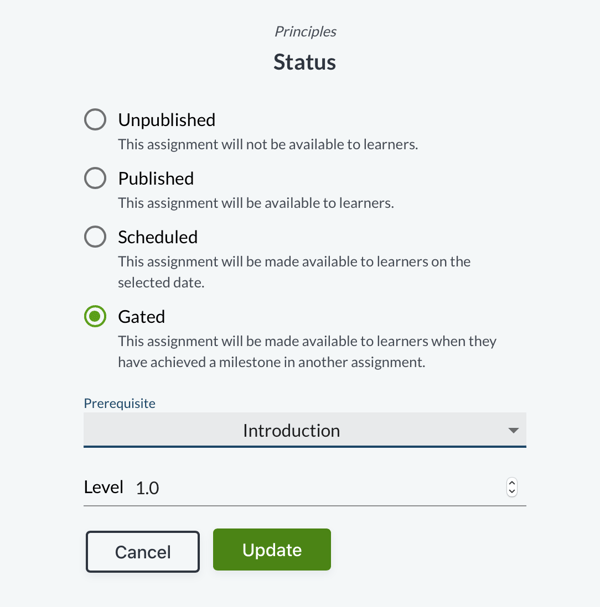
Often, there's a hierarchy of course content. Cerego's Gated Assignments feature allows instructors to set an achievement level that must be met in a course before the learners can move onto the next assignment.
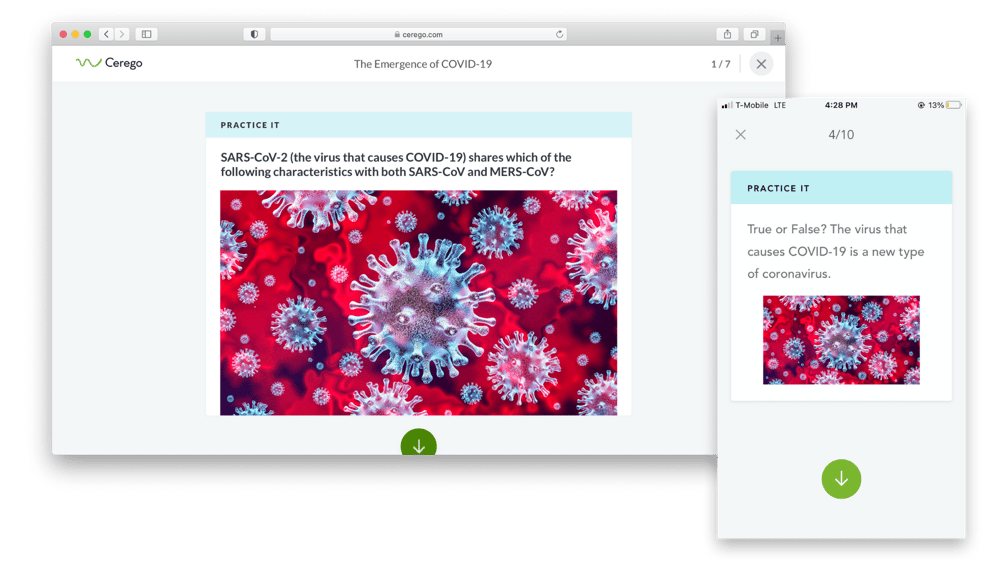
Cerego is accessible on any device, and includes offline mode in our mobile apps, to ensure that even those without a consistent internet connection can learn anywhere, anytime.
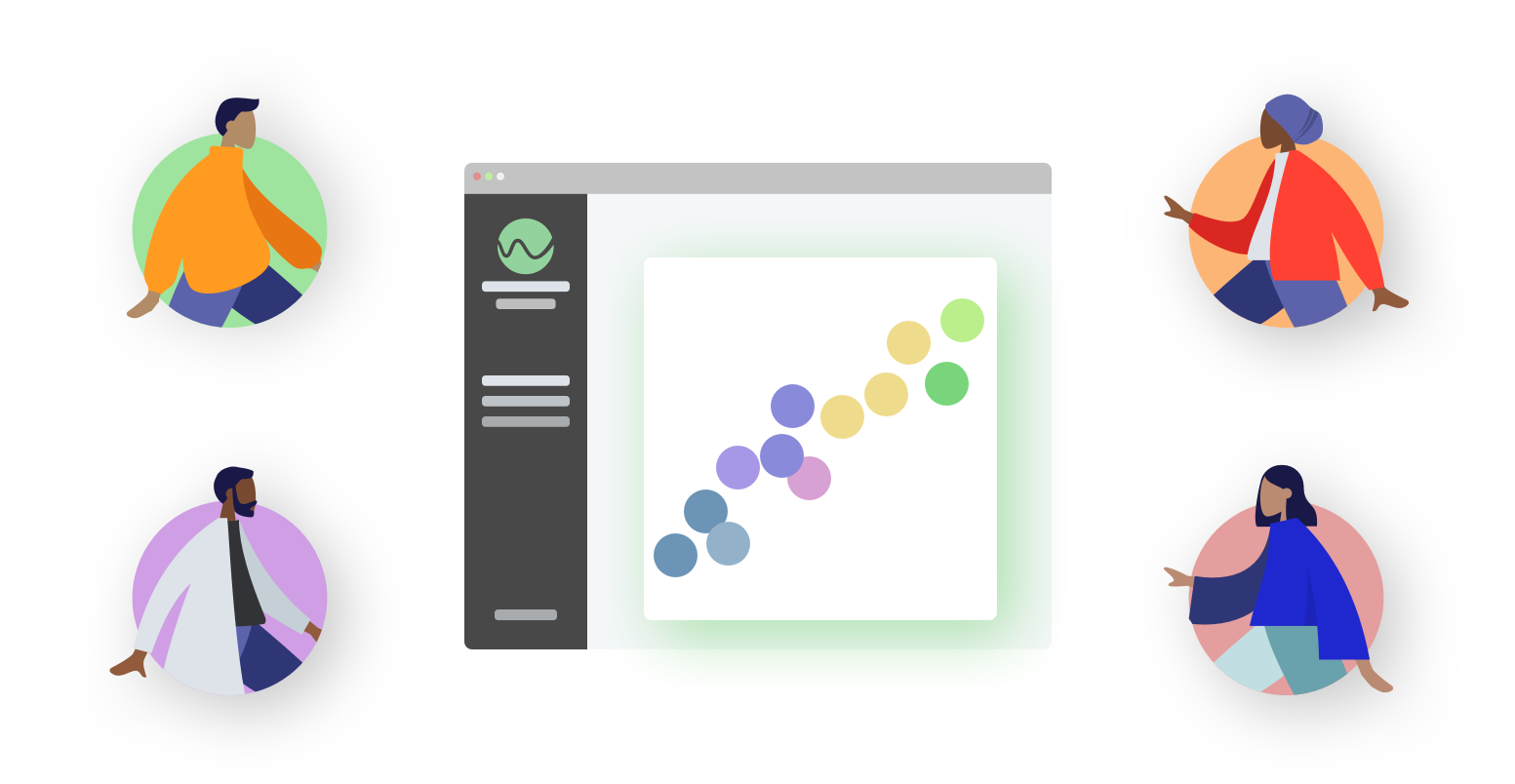
Unlike exams or traditional test scores, Cerego's analytics show you exactly how each learner is progressing in terms of their memory retention—for every concept that they learn.

Cerego takes cyber security very seriously. Our team is committed to reaching the highest standards required to protect the sensitive data of today's businesses and educational institutions.
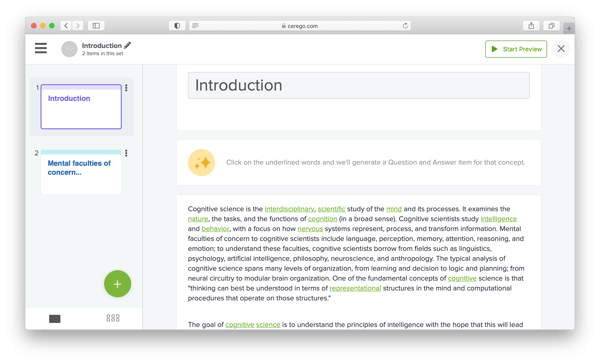
When building a course, how you structure it and what you include is up to you. With Cerego, it's easy to add text, videos, PDFs, audio files, or images, and you can base questions on sequences or diagrams. Then, Cerego's Smart Create technology makes creating powerful followup a snap. Using the latest iteration of BERT Natural Language Processing technology, Smart Create tools help suggest key concepts, build quizzes, and even suggests possible distractor answers.
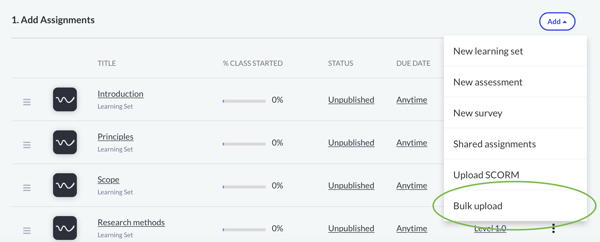
Create and upload learning sets through a simple spreadsheet, reducing friction for content managers and getting you up and running faster than ever. This also allows non-Cerego users to create content that can be easily loaded into the platform and delivered to learners.
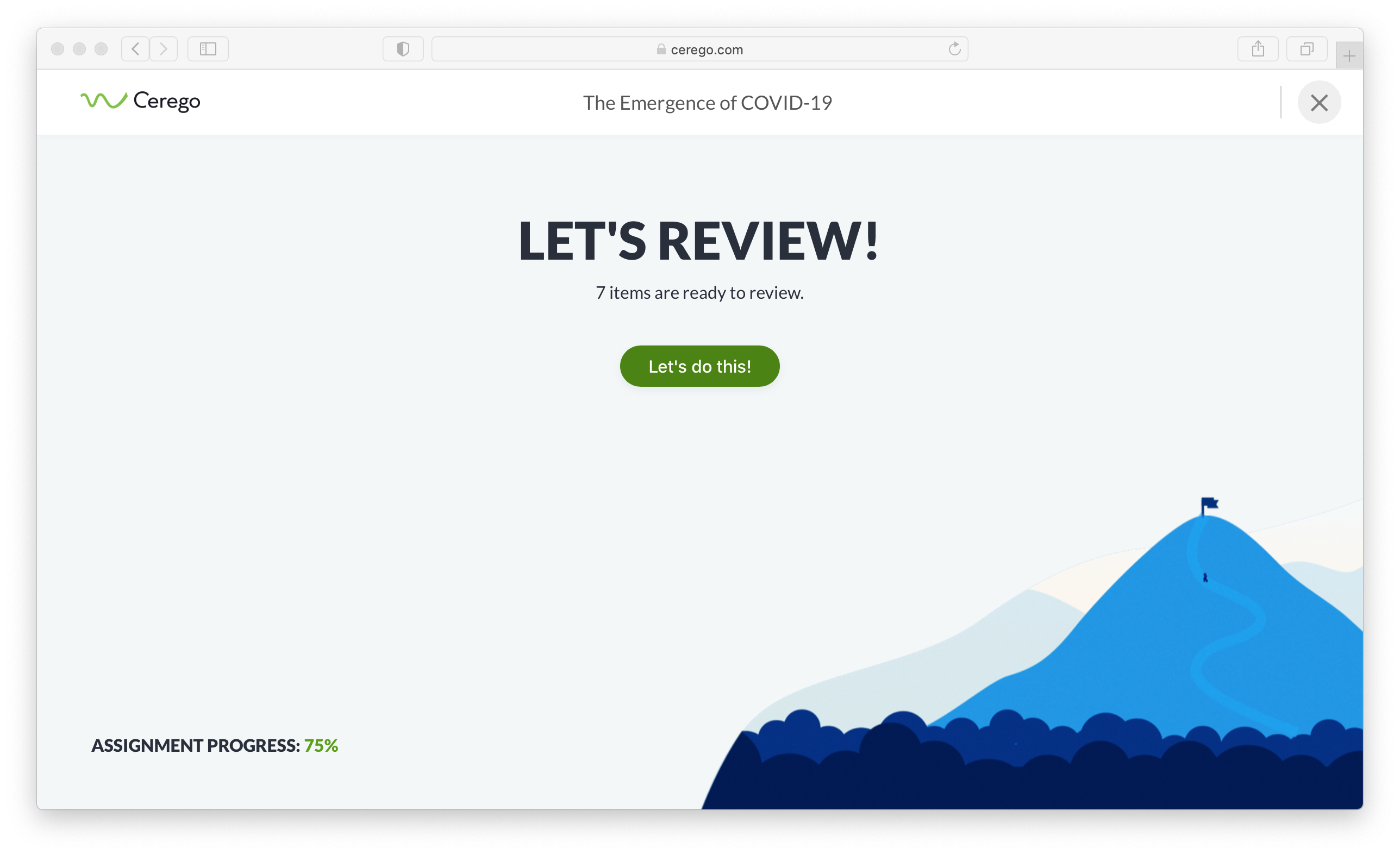
Like the rest of platform, Cerego's email and push notifications are based on a combination of AI and cognitive science, meaning learners will be notified at the exact right time to study for the highest impact for long-term retention and application.

Cerego's extensive experience in education means we are very familiar with Learning Management Systems, and integrate with all of the most widely used LMS platforms. Easily collaborate with editors or instructors, and publish and distribute your content to learners.
.png?width=1800&name=Frame%201%20(16).png)
Cerego’s Readiness Score™ is a real-time measure of what somebody actually knows. Memories can fade and change within hours, quickly rendering historical measures like a test score outdated. Readiness Score solves these problems, using patented, validated cognitive science and machine learning to tell you exactly which concepts a learner could recall right now - or on any future date.